

Legends of the Kola Peninsula
If you want to understand what the North is hiding, go to the Kola Peninsula









Where the North begins
The Kola Peninsula — northern region of Russia in the Murmansk region, almost all of it beyond the Arctic Circle, washed by the Barents and White Seas. A region with a harsh climate, tundra and Khibiny, where the Sami and Pomors have long lived, and later the large port of Murmansk arose.






Where the North begins



It is adapted to life in the harsh conditions of the tundra: thick fur and a dense undercoat help maintain warmth even in extremely cold winters, and wide hooves allow its to easily move through snowy and swampy areas.
Reindeer
It is adapted to life in the harsh conditions of the tundra: thick fur and a dense undercoat help maintain warmth even in extremely cold winters, and wide hooves allow its to easily move through snowy and swampy areas.
Reindeer

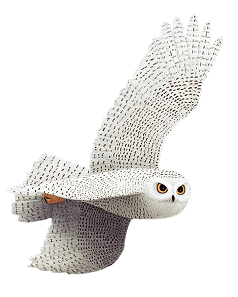
It preys primarily on small mammals such as lemmings, as well as small birds. It has excellent vision and hearing, which allows it to hunt effectively even in polar night conditions.
The Snowy owl (the white owl)
It preys primarily on small mammals such as lemmings, as well as small birds. It has excellent vision and hearing, which allows it to hunt effectively even in polar night conditions.
The Snowy owl (the white owl)
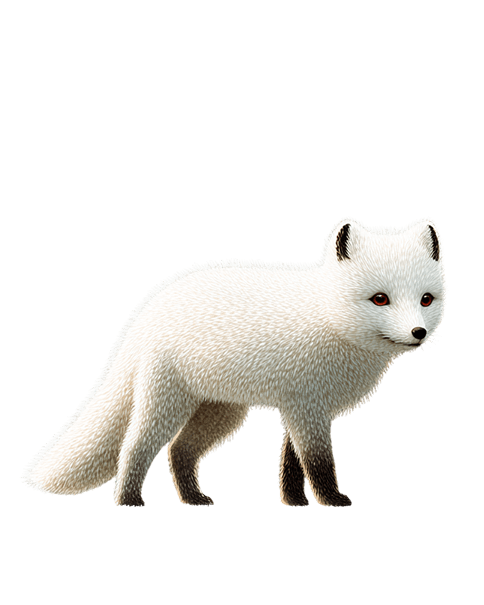
It changes the color of the fur depending on the time of year: in winter it is snow-white to blend with the snow, and in summer it acquires a gray-brown tint to be less noticeable against the background of tundra vegetation.
The Polar fox (the arctic fox)
It changes the color of the fur depending on the time of year: in winter it is snow-white to blend with the snow, and in summer it acquires a gray-brown tint to be less noticeable against the background of tundra vegetation.
The Polar fox (the arctic fox)
Миниатюрный вид берёзы, кустарник высотой 20–70 см, стелющийся по земле. Листья мелкие, округлые, часто с восковым налётом.
Карликовая берёза


There is a temporary home for the Sami, residents of the north of the Scandinavian Peninsula and the Kola Peninsula. Outwardly, the vezha resembles the Nenets plague or Indian tipi.
Vezha
Vezha
hover over the vezha
hover over the white owl
hover over the reindeer
hover over the arctic fox



The Sami — an ancient people of the North who have wandered for centuries with herds of deer and lived in small villages among the tundra, where people raise deer, fish and preserve their traditions.

There is a temporary home for the Sami, residents of the north of the Scandinavian Peninsula and the Kola Peninsula. Outwardly, the vezha resembles the Nenets plague or Indian tipi.
Vezha
Vezha
People of the tundra
















Legends originated among the Sami...


Seidozero

Сейдозеро
В окрестностях озера Ловозеро, по словам местных жителей, происходят загадочные явления:
In the vicinity of Lake Lovozero, according to local residents, mysterious phenomena are occurring:
strange sounds, water fluctuations; lights that appear above the surface at night


periodic disappearances of tourists, as if dissolving in the fog
Nature explains a lot, but part of the world remains a mystery...




On the rock near Seydozero in the Lovozero tundra, the silhouette froze the giant Kuiva, punished by shamans for kidnapping a girl and forever embedded in stone.
The Stone giant
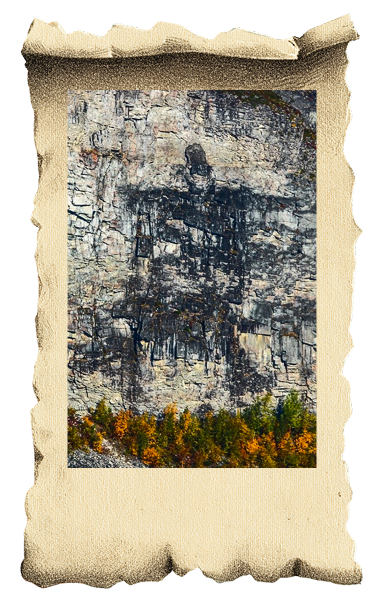
A photograph of Kuiva


They are afraid of daylight, but their magic feeds the power of shamans, and their world reflects the earthly, remaining forever unattainable.
Они боятся дневного света, но их магия питает силу шаманов, а их мир отражает земной, оставаясь вечно недосягаемым.
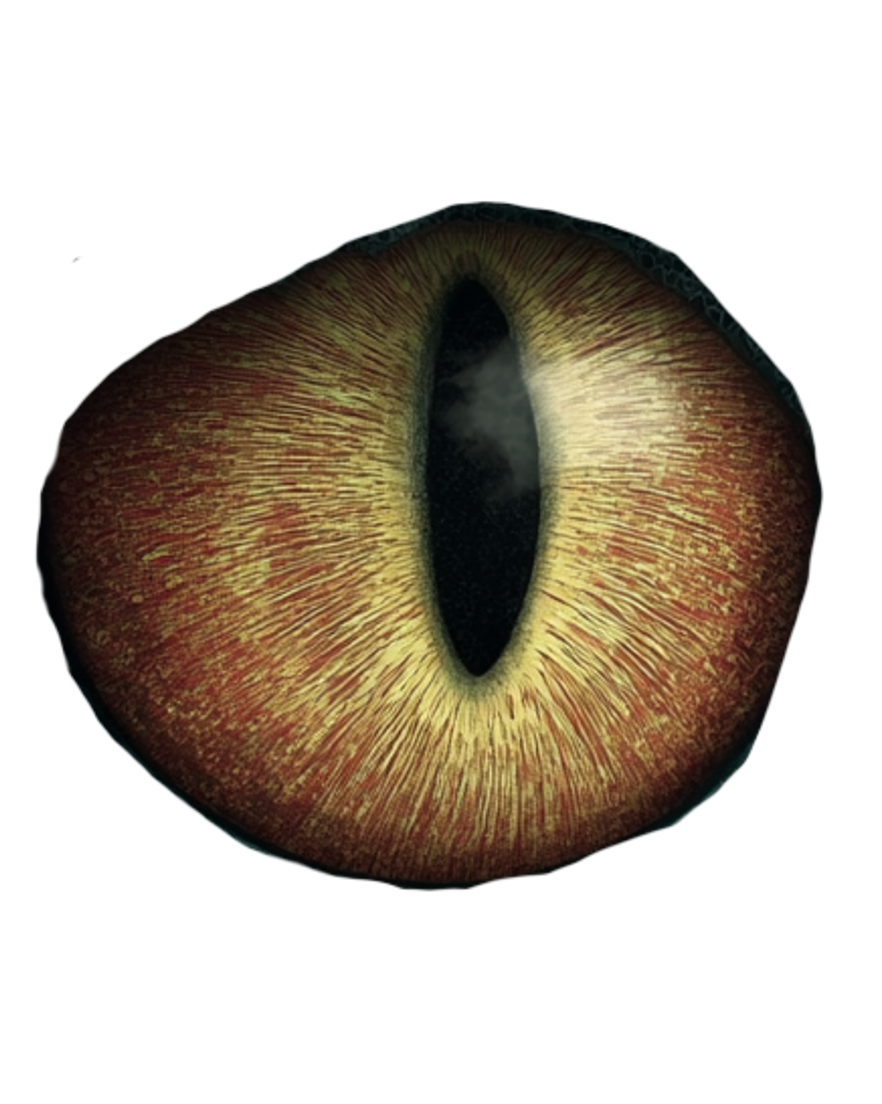
The Chahkli — are an ancient underground people whose dwellings are hidden at the bottom of sacred lakes, and whose eyes burn in the dark like coals.
Disappeared people
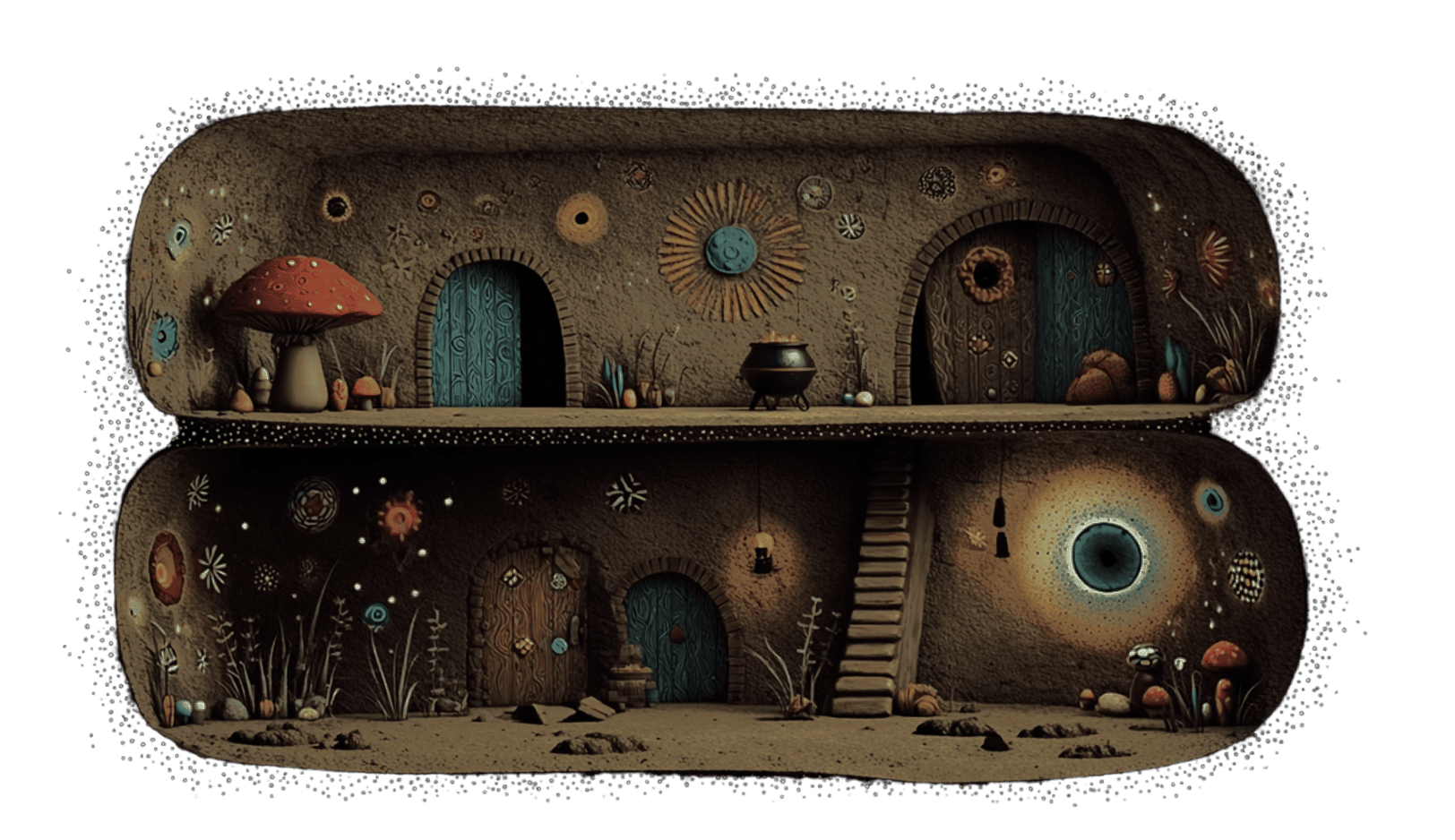
The Chahkli — are an ancient underground people whose dwellings are hidden at the bottom of sacred lakes, and whose eyes burn in the dark like coals. They are afraid of daylight, but their magic feeds the power of shamans, and their world reflects the earthly, remaining forever unattainable.





Disappeared people






A green, calm glow promises frost and clear weather, good luck in the fishery.

Children of radiance. It was believed that children conceived under the northern lights would have wisdom, the gift of healing, or become great shamans.

Red or flashing quickly is a harbinger of blizzards and wind

The dancing sky
The Northern Lights are a silent dance of icy flames, in which green and scarlet flashes weave a heavenly curtain over the snow-covered tundra. Born from the breath of the sun and the embrace of the Earth's magnetic field, this glow turns the polar night into a living, pulsating mirage.

The dancing sky




Teriberka
Teriberka — is a small village on the shores of the Barents Sea, where the border between worlds thins to the transparency of fog. Here, in the sound of the waves, the call of dead sailors is heard, and in the empty windows of abandoned houses the light still lights up — the souls of those who could not leave forever

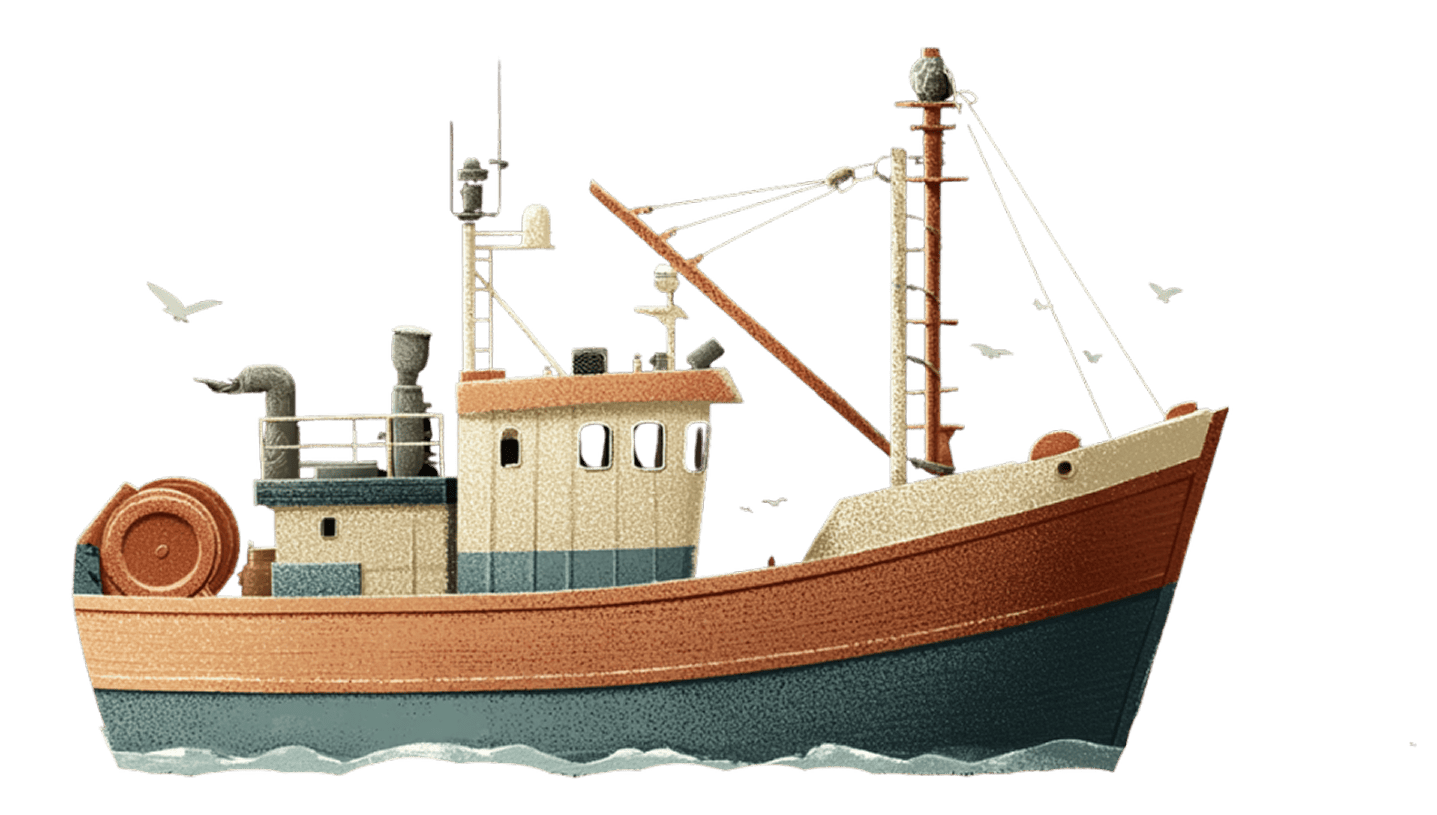


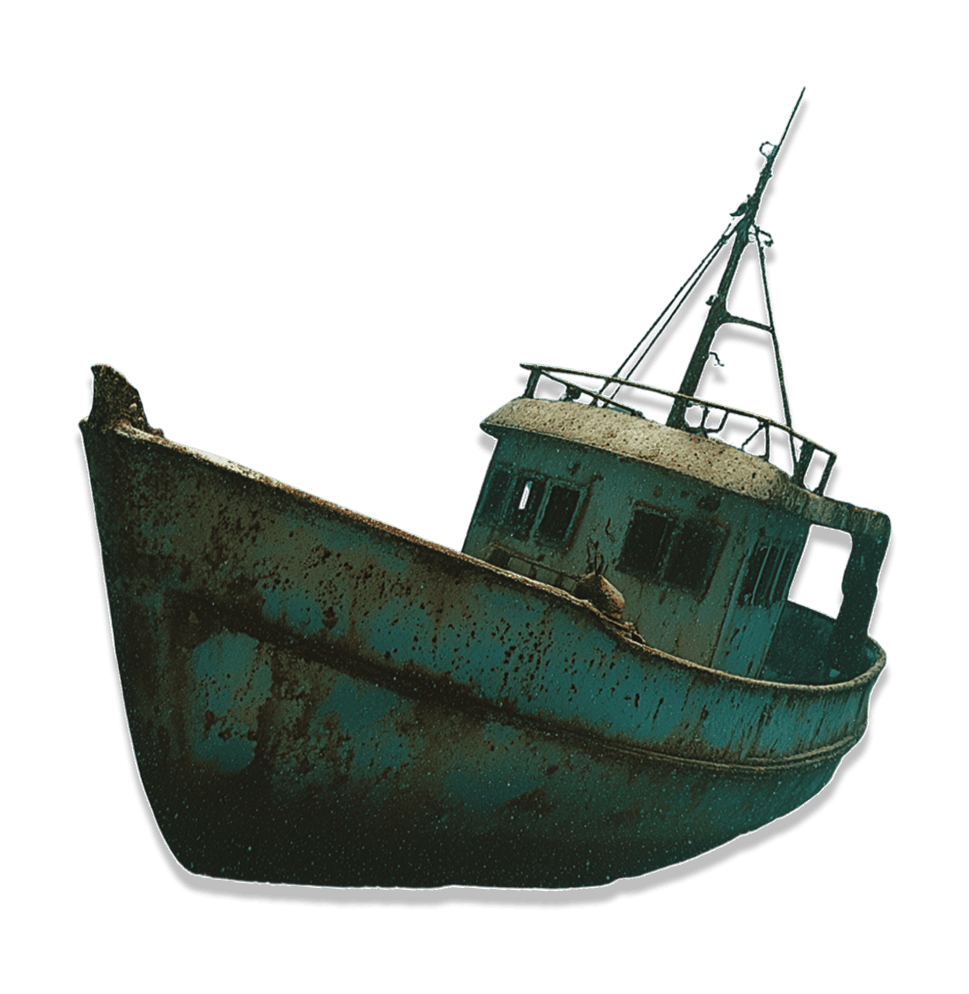




and in the cemetery of ships the wind creaks with rusty sides as if ghosts were still walking on the decks — Teriberka remembers everyone who didn't return.

Teriberka




Меняет цвет меха в зависимости от времени года: зимой он белоснежный, чтобы сливаться со снегом, а летом приобретает серо-бурый оттенок, чтобы быть менее заметным на фоне тундровой растительности.

YANA DOVGALYUK
Guide to the world of legends of the Kola North


Where the stones remember the giants, and the sea holds what is best left undisturbed...

